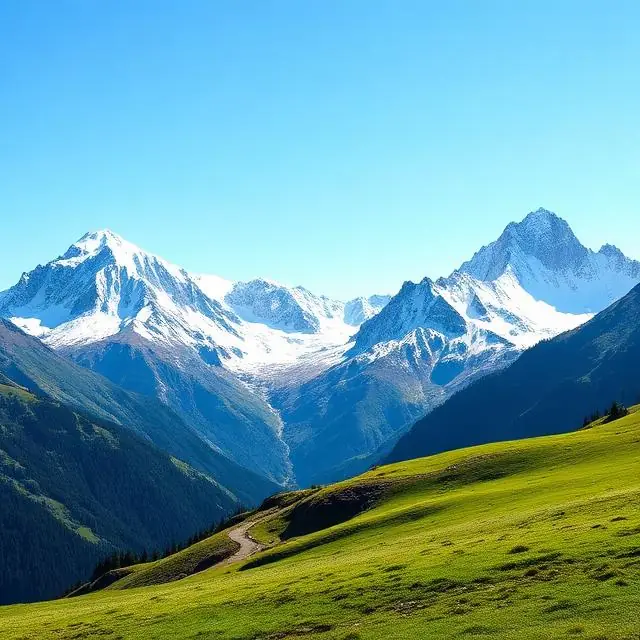
Snow-capped peaks, pristine lakes, and charming villages.
From India: Around 8.5–9.5 hours direct from Delhi/Mumbai to Zurich or Geneva. · Visa: Switzerland is a Schengen member, so Indian passport holders need a Schengen visa applied for in advance — see our Schengen Visa Guide for the document checklist and processing times.
Overview
Let Lumina Journeys craft the perfect Switzerland itinerary for you — from luxury hotels with VIP perks to curated local experiences, everything is taken care of so you can focus on making memories.
Highlights
Suggested Trip Types
Trip Planning Essentials
June–September for hiking and full mountain-rail access; December–March for skiing and snow-covered Alpine scenery. Shoulder months (May, October) offer lower prices with decent weather.
Around 8.5–9.5 hours direct from Delhi/Mumbai to Zurich or Geneva.
Switzerland is a Schengen member, so Indian passport holders need a Schengen visa applied for in advance — see our Schengen Visa Guide for the document checklist and processing times.
Swiss Franc (CHF) — note Switzerland uses CHF, not the Euro, despite being in mainland Europe. Cards are widely accepted; some rural areas and small transactions still favour cash.
The Swiss Travel Pass covers trains, buses, boats, and many mountain railways/cable cars in one ticket — almost always the most cost-effective way to move between cities and up into the Alps.
Estimated Budget per Person
Budget: ₹1,00,000–1,40,000 for 6 nights (hostels, Swiss Travel Pass, grocery-store meals) — Switzerland is one of Europe's most expensive countries per day. Mid-range: ₹1,80,000–2,60,000 (3★ hotels, scenic train routes, cable cars). Luxury: ₹4,00,000+ (mountain-view resorts, first-class rail, Jungfraujoch and Glacier Express combined).
Frequently Asked Questions
Yes — Switzerland is in the Schengen Area, so a Schengen visa is required in advance; it is not available on arrival.
For scenery and rail experiences (Jungfraujoch, Glacier Express, Lake Geneva) most travellers find it worth at least one visit — a Swiss Travel Pass and self-catered breakfasts help control costs.
6–7 nights lets you cover 2–3 base towns (e.g. Lucerne, Interlaken, Zermatt) without spending most of the trip in transit.